

Why Mercedes Idle Issues Matter in Climate-Sensitive Regions. Ever felt your Mercedes shudder slightly at a stoplight? That subtle dip in RPM, the faint vibration, it’s not random. It’s your engine reacting to something deeper. In places like Dubai, Mercedes Idle Issues are amplified by extreme temperatures. The fuel-air mix, normally balanced, starts to shift. Heat affects air density. Fuel vaporizes faster. Sensors misread. And idle instability creeps in.
We had an S-Class come in last summer. No warning lights, but the idle was rough. Diagnostics showed fuel mix sensitivity caused by heat stress. No DIY fix here, just precise tuning. Let’s break it down. What’s happening under that hood when the climate fights your idle?
Understanding Mercedes Idle Issues | What Happens at Idle
Idle sounds simple. The car’s not moving, so the engine’s just… waiting, right? Not quite. In a Mercedes, idling is a delicate balancing act. The ECU constantly adjusts fuel trim, air intake, and ignition timing to keep the engine stable. When that balance slips, even slightly, you get Mercedes Idle Issues.
We had a C-Class come in last month. No warning lights. Just a soft, uneven idle. The owner said it felt like the engine was “breathing wrong.” He was not far off. The idle control valve was sticking, and the ECU’s idle mapping was compensating poorly. Fuel-air imbalance. RPM fluctuation. Classic case.
Idea: Idle instability often starts with micro-errors in fuel delivery or air metering. These don’t always trigger fault codes.
At idle, the engine runs leaner. That means any vacuum leak, sensor misread, or throttle body grime can throw things off. The ECU tries to correct it, but if the data’s wrong, the fix is wrong. Mercedes Idle Issues are not just about rough sounds. They’re about how your engine breathes when it’s doing nothing. And in hot climates, even “nothing” becomes a challenge.
Climate’s Role in Fuel Mix Disruption
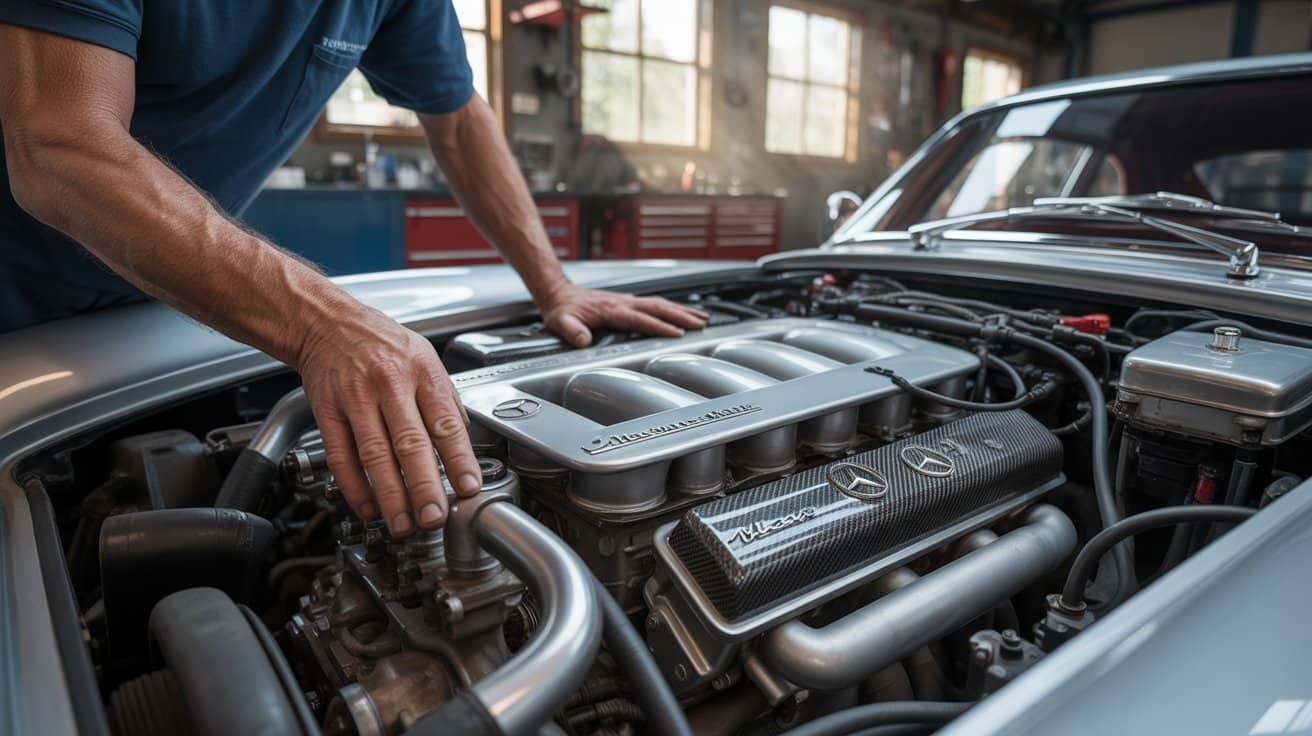
Dubai’s heat is not just brutal on the skin; it’s brutal on engines, too. When temperatures soar past 45°C, the air thins, fuel vaporizes faster, and combustion becomes unpredictable. That’s when Mercedes Idle Issues start showing up in ways most drivers never expect.
We had a GLE 450 roll in last August. The idle was erratic, but only during peak heat hours. No fault codes. No warning lights. Just a quiet war between ambient temperature and fuel atomization. The ECU was trying to compensate, but the data it was getting was? Skewed by heat.
Fact: Hot air holds less oxygen. That means less efficient combustion, especially at idle, where airflow is minimal.
Cold starts in winter aren’t innocent either. That leads to temperature-induced idle faults, rough idle, delayed RPM stabilization, and even stalling. Mercedes Idle Issues in climate extremes are tied directly to:
- Fuel vaporization rates, Air density fluctuations
- Sensor drift due to thermal stress
The ECU’s idle mapping is designed for adaptability, but it has limits. When climate pushes those limits, idle instability becomes a persistent issue. And here’s the kicker: these problems don’t always show up in diagnostics. You need real-world testing, live data, and climate-aware tuning to catch them. Mercedes Idle Issues are not just mechanical; they’re environmental. And in Dubai, the environment is always part of the equation.
Rich Fuel Mixture at Idle | The P2188 Code Explained
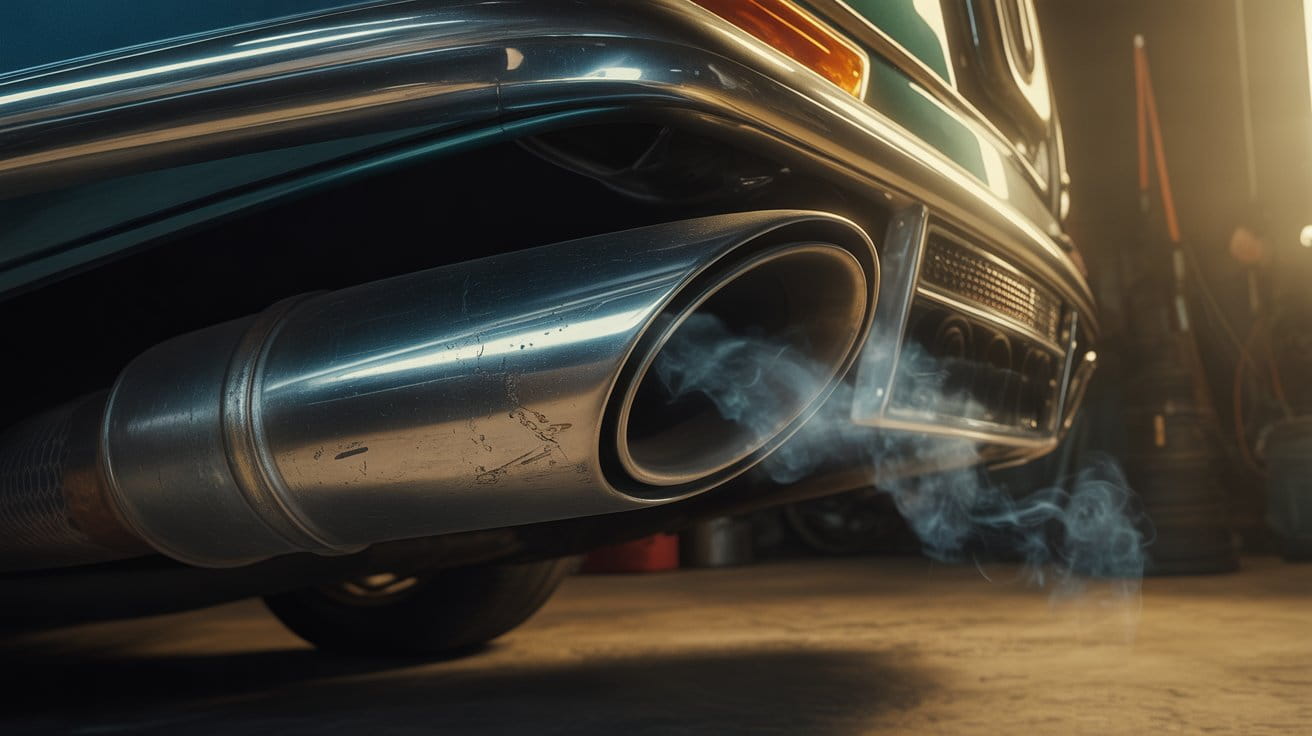
Ever seen the check engine light pop up with no obvious symptoms? Then you notice your Mercedes idling heavier than usual. Not loud. Just… off. That’s often the start of Mercedes Idle Issues, and the P2188 code is usually behind it. P2188 means the system is running too rich at idle, too much fuel, not enough air. The ECU flags this when it can’t correct the imbalance through normal fuel trim adjustments. In Dubai’s heat, this happens more often than you’d think.
Fact: Rich idle faults are common in high-temperature zones due to fuel vaporization and sensor drift.
We had an AMG GLC come in last week. Idle was rough, fuel economy tanked, and the exhaust smelled sharp. No misfires. Just a quiet war inside the ECU. The culprit? A sticky MAF sensor and a slightly leaking injector. Classic fuel trim error. Mercedes Idle Issues tied to P2188 often involve:
- Faulty oxygen sensors
- High fuel pressure
- Dirty or misreading MAF sensors
- Leaking injectors
The fix isn’t just clearing the code. It’s about restoring the ECU’s ability to balance fuel-air mix at idle, especially when the climate’s working against it.
Common Mercedes Idle Issues
Idle should feel invisible. No shake, no surge, no hesitation. But in Dubai’s heat, even a well-maintained Mercedes can start acting up. The engine’s trying to stay balanced while the climate throws everything off. Here’s what we see most often in the workshop:
- RPM drops when AC kicks in
- The engine trembles slightly at stoplights
- Fuel smell from the exhaust during idle
- Idle surges up and down without throttle input
- Delayed throttle response from a stop
- ECU shows fuel trim errors but no warning lights
- The engine stalls briefly after a cold start
- Idle feels rough only during peak heat hours
- Oxygen sensor readings fluctuate abnormally
- MAF sensor misreads due to thermal stress
- Injector pulse width increases unexpectedly
- The idle control valve sticks intermittently
- Combustion becomes uneven at idle
- ECU idle mapping fails to stabilize RPM
- Fuel pressure remains high even at idle
- The engine runs rich but doesn’t misfire
- The throttle body shows carbon buildup
- Vacuum leaks worsen idle under load
- AC compressor load disrupts idle balance
- Ambient temperature affects air density and combustion
These are not just quirks. There are signs your engine’s idle system is struggling to adapt, and it’s time for a proper diagnostic.
Common Causes of Mercedes Idle Issues in Hot Climates
Dubai’s heat does not just test your patience; it tests your engine’s tolerance. When temperatures climb, the idle becomes unstable. The ECU struggles to maintain balance. Fuel vaporizes faster. Sensors misread. And Mercedes Idle Issues become a daily reality.
We had an S-Class last month. Idle dropped every time the AC kicked in. No fault codes. Just a slow, silent fight between heat and hardware. The culprit? A combination of sensor drift and injector fouling is, classic heat-induced failure. Here’s what we see most often in hot-climate idle diagnostics:
- Vacuum leaks from heat-expanded hoses
- Sensor drift, especially MAF and oxygen sensors
- Throttle body carbon buildup from poor combustion
- Injector fouling due to fuel residue in high heat
- Idle control valve sticking under thermal load
- AC compressor load is disrupting idle RPM
- Fuel pressure regulator malfunction
- ECU idle mapping errors triggered by ambient temperature
- Air density drop, reducing combustion efficiency
- Leaking cold start injector causing rich idle
- Thermo time switch failure
- Crankcase ventilation issues under heat stress
Mercedes Idle Issues in Dubai are not random. They’re predictable, mechanical, and solvable, but only if diagnosed with climate in mind. Ignoring them leads to fuel waste, engine wear, and eventually, breakdowns.
Fuel-Air Mix Calibration | Why Climate Demands Precision
Idle is not passive. It’s a constant negotiation between fuel and air, orchestrated by the ECU. In a Mercedes, this balance is maintained through adaptive fuel trims and idle fuel mapping. But in Dubai’s heat, that negotiation gets messy. The air is thinner. Fuel vaporizes faster. And suddenly, the mix is off.
We had a CLS 350 come in last June. The idle was rich, but only during midday traffic. The ECU was working overtime, adjusting trims, but the temperature-based fuel correction was maxed out. The system could not keep up.
Idea: Climate extremes push calibration systems beyond their designed thresholds, especially during idle.
The ECU uses fuel-air ratio sensors, MAF readings, and oxygen feedback to calibrate the idle. But when the ambient temperature spikes, those readings become unreliable. The result? Mercedes Idle Issues, rough idle, fuel waste, and unstable RPM.
Idle compensation is built into the system, but it’s not infinite. When the climate overwhelms the calibration logic, the engine starts to stumble. You feel it. The car hesitates. The RPM dances. And the diagnostics? They show nothing. Mercedes Idle Issues in Dubai are not just about faulty parts. They’re about a system designed for balance, thrown off by heat. Precision matters. And in this climate, precision needs help.
Mercedes Idle Issues Impact on Fuel Economy & Emissions
Idle might seem harmless. The car’s not moving, so fuel use should be minimal, right? Not exactly. When Mercedes Idle Issues go unresolved, especially in Dubai’s heat, fuel consumption quietly climbs. The engine runs rich. Combustion gets lazy. And emissions spike. We had an E-Class come in last week. The idle was smooth, but fuel economy had dropped by nearly 15%. No leaks. No misfires. Just a rich idle burning more fuel than needed.
Fact: A rich idle increases CO₂ output, wastes fuel, and shortens catalytic converter life.
Urban driving makes it worse. Stop-start traffic means more idle time. More idle time means more fuel burned without movement. And more fuel burned means more emissions, especially unburnt hydrocarbons and carbon monoxide. Mercedes Idle Issues are not just about comfort. They affect your wallet and the air you breathe. Fixing them restores efficiency and keeps your engine clean where it matters most.
Diagnostic Approach for Mercedes Idle Issues
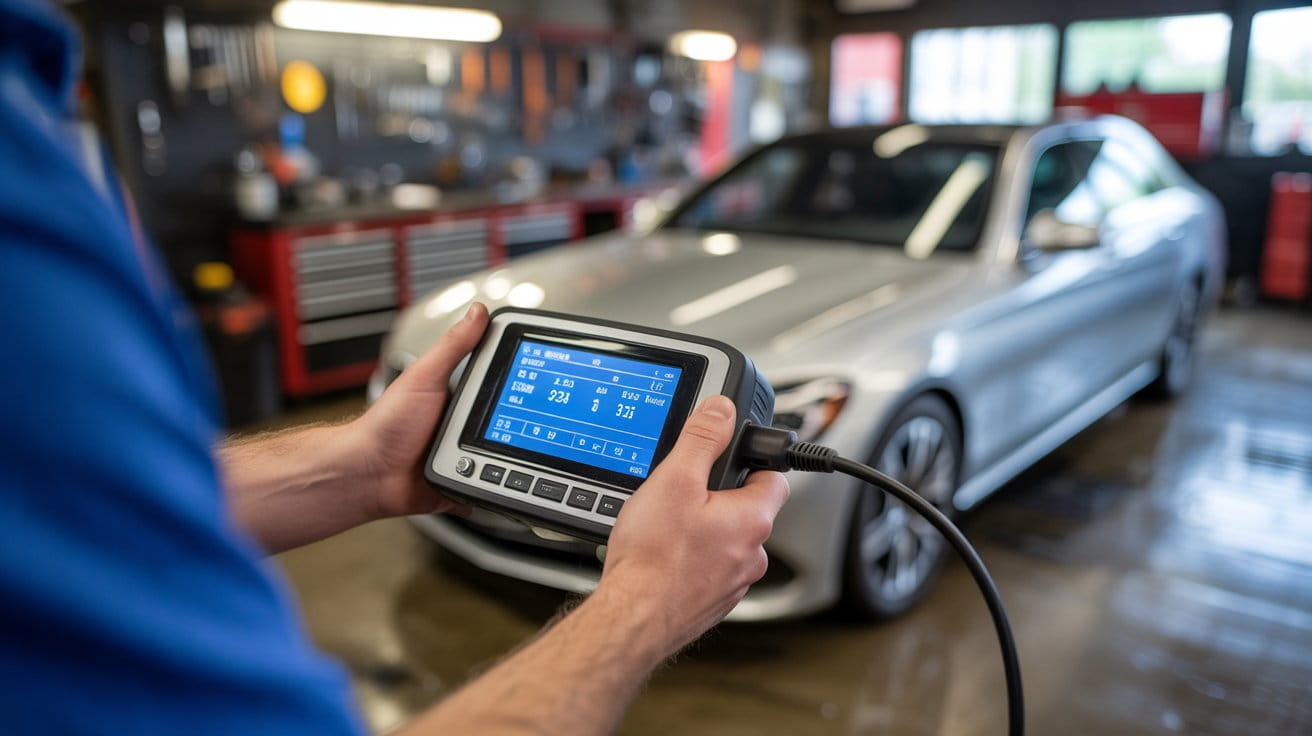
Idle problems in a Mercedes are rarely random. They’re usually the result of a system trying, and failing, to self-correct. When Mercedes Idle Issues show up, especially in Dubai’s heat, we don’t guess. We test. The process starts with a Mercedes idle scan using a high-resolution diagnostic tool. We pull ECU fault codes, even if none are showing on the dashboard. Many idle faults hide behind adaptive trims and don’t trigger alerts.
Tip: Always check live data streams. Static codes miss climate-induced fluctuations.
Next, we log idle RPM over time. We look for dips, surges, and inconsistencies. Then we monitor fuel trim behavior, short-term and long-term. If the trims are maxed out or constantly shifting, it’s a sign the ECU is fighting a losing battle. We also inspect:
- MAF sensor readings under heat load
- Oxygen sensor voltage swings
- Injector pulse width
- Throttle position stability
- Vacuum integrity using smoke testing
- AC compressor load impact on idle RPM
One case involved a GLC with perfect cold starts but a rough idle in traffic. No codes. But live data showed erratic fuel trims and unstable MAF readings. The fix? Replace a heat-damaged sensor and recalibrate the idle map. Mercedes Idle Issues demand precision diagnostics. Climate variables make them harder to catch. But with the right tools and a methodical approach, they’re not hard to fix; they’re hard to ignore
Repair Solutions | Professional Fixes for Climate-Driven Idle Faults
When Mercedes Idle Issues show up in Dubai’s heat, quick fixes do not work. You need targeted repairs that account for climate stress, sensor drift, and fuel system fatigue. We do not just swap parts; we recalibrate systems to handle the heat.
One case involved a GLE with a perfect idle in the morning, but a rough idle by noon. The issue? A heat-damaged MAF sensor and a sticky idle valve. Replacing the sensor alone did not solve it. We had to reprogram the ECU’s idle map to match Dubai’s ambient conditions.
Tip: Always verify idle stability under full AC load. That’s when most climate-driven faults reveal themselves. Here’s what we typically perform:
- Sensor replacement (MAF, oxygen, temperature sensors)
- Injector cleaning to remove heat-induced residue
- Idle valve service for sticky or slow response
- Throttle body cleaning to remove carbon buildup
- Fuel system recalibration using live data
- ECU reprogramming for climate-adaptive idle mapping
- Vacuum leak sealing with heat-resistant materials
- AC load balancing to stabilize the idle under the compressor strain
We use original parts, not just OEM-labeled stock. OEMs often sell downgraded versions; originals are built for durability and precision. Mercedes Idle Issues in Dubai are solvable. But they require more than diagnostics. They need climate-aware tuning, real-world testing, and parts that match the heat. For exact pricing, contact us. All costs mentioned are estimates only.
Preventive Maintenance to Avoid Mercedes Idle Issues
Idle problems rarely start overnight. They build up, slowly, silently, until your Mercedes starts trembling at every stoplight. In Dubai’s heat, that buildup happens faster. Preventive maintenance is not optional. It is your first line of defense against Mercedes Idle Issues.
We recommend a climate readiness check before summer peaks. That means inspecting sensors, cleaning injectors, and logging idle RPM under AC load. One client’s GLC had perfect idle in spring, but by July, it was surging at every stop. A quick fuel system inspection caught the issue early.
Tip: Always monitor fuel trims during seasonal transitions. Heat changes everything. Here’s what we suggest:
- Scheduled diagnostics every 6 months
- Fuel mix monitoring during idle
- Throttle body cleaning before summer
- Idle stability checks under full AC load
- Sensor calibration in high heat
Mercedes Idle Issues are easier to prevent than repair. Stay ahead of them, and your engine stays smooth.
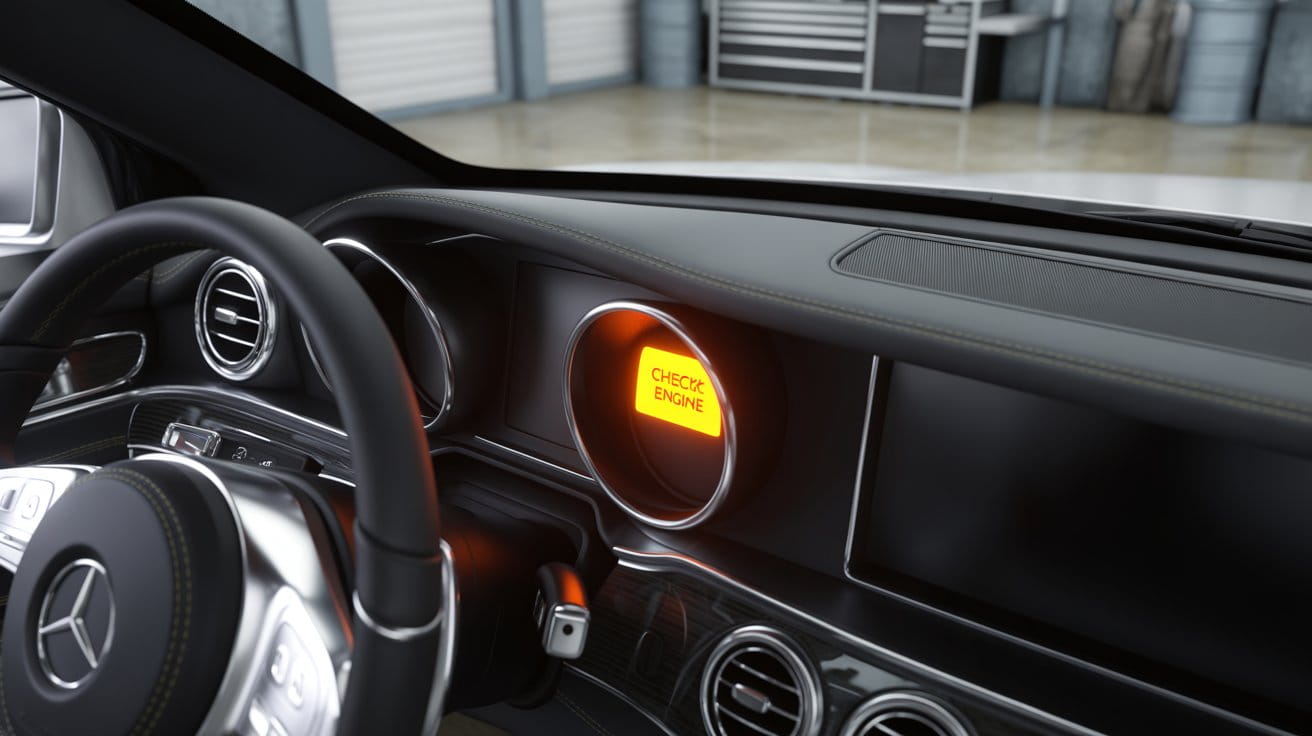
Climate, Fuel Mix, and the Future of Mercedes Idle Stability
Idle is no longer a passive state. In Dubai’s heat, it’s a stress test. Mercedes Idle Issues are not just mechanical; they’re environmental, digital, and evolving. As fuel systems become smarter and ECUs more adaptive, idle calibration will rely on real-time climate data, not just static maps.
We’re already seeing climate-aware diagnostics and adaptive fuel tech in newer models. But even the best systems need support. Regular tuning, live data analysis, and heat-specific recalibration are the future. Mercedes Idle Issues will not disappear, but with smarter tools and sharper diagnostics, they’ll stop being a mystery.